
Mexico

*With contributions by Victoria Markus

More than a Beach

Chiapas_Mexico_Church

On a map it’s easy to see that Mexico is hugged by the Pacific Ocean and the warm waters of the Gulf where stunning beaches line the coastline. Coupled with a temperate climate and steady sunshine, tourists and vacationers alike flock to those sandy shores. But the true spirit of Mexico lies inland, where great civilizations emerged and thrived for thousands of years. Mexico is more than just a beach and the southernmost state of Chiapas is a convincingly strong advocator of this.

After a short flight from Mexico City, you’ll find that treasures and wonders abound here. The Mayans inhabited this land in 600 B.C. and vestiges of their civilization are on display in the northern regions of Chiapas. This pre-Hispanic heritage is preserved by local indigenous groups and the colonial ambience of the towns and cities is in the foreground of a region with a vast diversity of flora and fauna. The people are also warm and friendly, always extending a helping hand whenever it’s needed to make one’s trip as comfortable as possible. This, along with the combination of ancient ruins and a flourishing modern-day society, makes Chiapas a tourist friendly destination.

Chiapas_Mexico_pyramid

Located in the central highlands of the region is the city of San Cristobal de las Casas, also known by its native Tsotsil name of Jovel, and nestled between sloping hillsides and lush terrain.  This historical city of red tile roofs, patios decorated with flowers and iron wrought balconies is the cultural capital of Chiapas. Many of the buildings and cathedrals are an amalgamation of Baroque, Neoclassic, Moorish, and Mexican styles. Looking down any street you’ll discover a kaleidoscope of bright colors - blues, yellows, pinks and reds. The city center is its main plaza, bustling with people and surrounded by important historical buildings and fine residences accented with luscious gardens.

One of the sights in the city is the Iglesia Santo Domingo de San Cristobal. A towering presence with its façade of gilded panels, it’s one of the most elaborately decorated churches in Mexico. The grounds of the church are home to a large handicrafts market where vibrant textiles and authentic Mexican goods can be found. Another attraction is the Maya Medicine Museum, where you can not only learn about the medicinal rituals of the indigenous peoples but you can also participate in a healing ceremony with genuine healers ready to treat whatever ailment a patient may have. The city is safe and walkable so stroll around and enjoy the picturesque environment - lovely buildings, cozy cafés and restaurants and busy public squares. 

Pyramided-Yard

Have lunch at Maria Chamula, a restaurant where proprietor Jorge Aguilar cures their meats, creates their own cheeses and serves wonderful soups. Traditional Chiapan meals include chipilin, a strongly flavored herb that is popular in southern Mexican cuisine. Heavy dishes are often washed down with pozol, a local drink made from fermented corn dough. The dining room is filled with religious artifacts and on special days a witch doctor is on site to provide spiritual cleansing and blessings to customers. After a hearty meal and blessings for good health, you’ll be ready to explore some more.

Chiapas_Mexico_Mexican_Clothes

After a day in this culturally rich city, a charming evening can be spent at Tierra y Cielo in downtown San Cristobal, a hotel and restaurant that rivals three-star establishments in New York City and is situated in the home of the proprietor’s grandmother. Gaby Trejo de Zepeda has taken her grandmother’s charming abode and transformed it into an intimate inn offering twelve quaint rooms with exposed ceiling beams and colorful throw pillows on every bed. I guess you might say that Tierra y Cielo puts taking a trip to grandma’s on a whole different level. Her lovely restaurant effortlessly combines modern with traditional serving contemporary cuisine inspired by her family’s ancestral roots. Cooking classes taught by her brother, Chef Marty Zepeda, are available as well as having him accompany you to the food market to choose ingredients. It’s a hands-on way to get to know the region’s products and flavors and also to experience the adventure of gastronomy through a chef’s eyes. After dinner, night owls craving a break from culture can head over to Calle La Revolucion where there are numerous bars with live music with more on Calle Insurgents along with jazz club Dada. Chiapas’s nightlife brims with spirited music along with lots of spirits such as pumbo, a drink made with vodka, pineapple, club soda and sugar syrup.

Chiapas_Mexico_street

For off-the-beaten path adventure, it’s worth the two to four hour drive outside the city to visit the Chiapas Mayan sites of Palenque, Tonina and Bonampak.  The route offers amazing vistas and landscapes straight out of an Impressionist painting. Tonina features the Casa de Piedra (house of stone) and the Acropolis, a ceremonial site on a hillside which flourished between 600 and 900 C.E. (i.e. current era) and consisting of a series of seven platforms with various temples and other areas marked by steles. Palenque is a World Heritage site that exhibits some of the finest Mayan architecture, sculpture, and stucco-reliefs. If you’re a nature lover, Laguna Miramar should be on your checklist as it’s one of the most beautiful lakes in the Lacandon Jungle. Close to a thousand feet deep, it sustains diverse aquatic life and is a divine swimming spot for weary travelers who’ve hiked there.

Chiapas_Mexico_Dish

The Mayan calendar may end in December 2012 but its cultural significance and impact is timeless. Mexico is a celebration of the Mayan World which today even includes the wonderful lifestyle of the natives. So while Mexico’s coastlines can provide you with a seaside vacation you could easily enjoy elsewhere, traveling inland can reap some unmatched cultural riches that underscore the bona fide radiance of the country.

*If exploring on your own seems adventurous, it’s simple to hire a guide to direct you to the best establishments while recounting the history and culture of Chiapas. Patrick Murphy Ruiz and Siddhartha Alvaréz are excellent choices for both touring San Cristobal and exploring the Mayan ruins. They will pick you up and assist you in whatever function or site you chose to see. 

The international dialing code for Mexico is 52.

Where to Stay:

Holiday Inn San Cristobal- stucco walls, colonial architecture and beautiful courtyards greet you at this historic Holiday Inn in San Cristobal. Calle 1 de Marzo : 15 Zona Centro, 967-6780045, www.holidayinn.com/hotels/us/en/sn-cristobal-de-las-casas

Casa Felipe Flores- with just five rooms, this gracious and comfortable Bed and Breakfast has all the charm you’d expect from a casa colonial in Mexico where discrete service is a privilege. Calle Dr. Felipe Flores 36, San Cristobal, 967-6783996,  www.felipeflores.com

Tierra y Cielo- this twelve room inn is as quaint as it is enticing, with an accessible location downtown and rooms that will make you want to stay longer. Av. Benito Juárez No.1, Centro Histórico, San Cristobal, 967-6781053,  www.tierraycielo.com.mx 

Where to Eat:

Tierra y Cielo- the cuisine is fresh and delectable, prepared with care, and made from local ingredients that speak to the true nature of Chiapas. Av. Benito Juárez No.1, Centro Histórico, San Cristobal, 967-6781053, www.tierraycielo.com.mx

Restaurante Maria Chamula- With great farm-to-table food, this eatery will satisfy any appetite for good food, and has a museum-like ambience. Plaza 31 de Marzo, #1 altos colonia centro, San Cristobal, 967-63-16002, This e-mail address is being protected from spambots. You need JavaScript enabled to view it

The Guides to Hire:

Siddhartha Alvaréz- 961-61 211-30/61 366 71, www.tourchiapas.com

Patrick Murphy Ruiz- 967-706-2798, This e-mail address is being protected from spambots. You need JavaScript enabled to view it


Mexico-City-Soumaya-Museum-Exterior-with-street-small

As the taxi pulls up to the Soumaya, I get my first glimpse of this brand new museum on the edge of the fashionable Polanco district. Owned by Mexico's richest man (in fact, the world's richest man), Carlos Slim, the six-story structure has much of Mexico City and those in the art world buzzing. The first thing you notice is the unique shape—imagine a trapezoid in motion. The exterior is covered in thousands of hexagonal aluminum plates, which, when hit by sunlight, creates a visually stunning image. I climbed the many steps where locals congregate to snap photos of each other and and made my way to the entrance. The museum (free to all) has an outstanding collection and I was keen to explore it. On the top floor is a sky-lit space where I browsed among sculptures by Salvador Dali and Rodin (Slim has the world's largest collection outside of France). On lower floors, I felt like a kid in a candy store among the Diego Rivera and David Alfaro Siqueiros murals, Miro, Van Gogh, Botero, Matisse and El Greco paintings and rare colonial-era gold coins. Certainly, this ultra-modern building is a departure for Mexico City, a city that's best known for its cathedrals and 19th century Beaux Arts buildings. But the Mexican capital with a population of 21 million, still shockingly off many tourists' radar, is definitely coming into its own. Aside from its modern and traditional mix, it also has a vibrant culinary scene and plenty of hip neighborhoods (and duly noted, I never once felt unsafe in the city).

Mexico-City-Soumaya-Museum-Interior-smaill

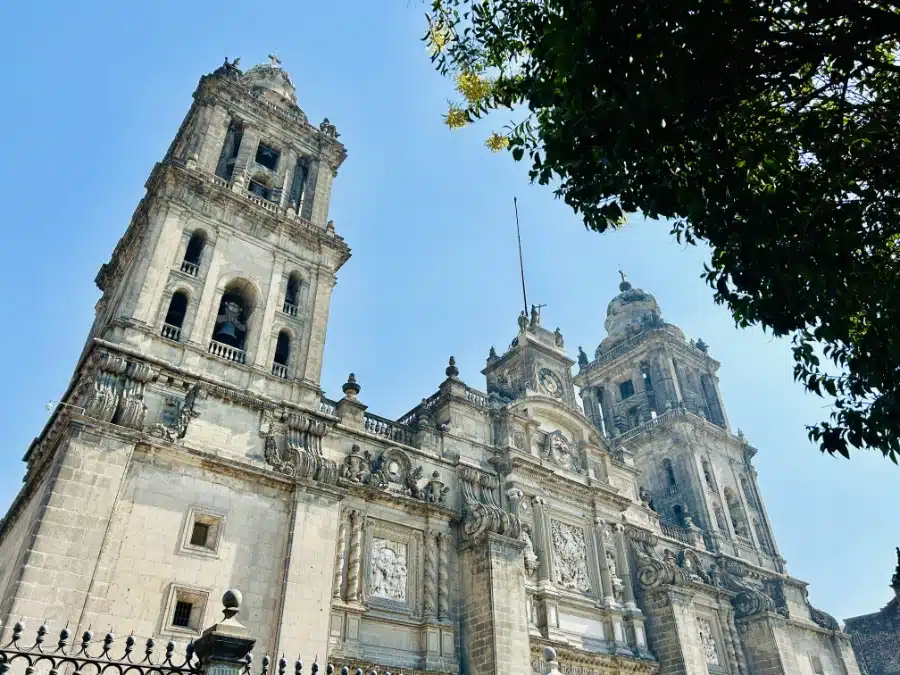
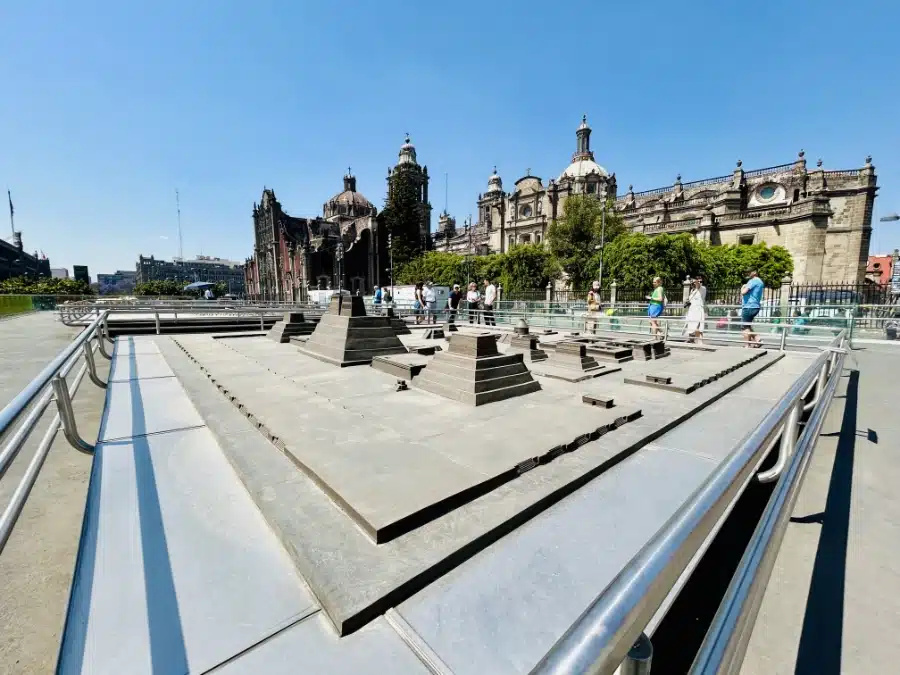
Modern architecture notwithstanding, the heart and soul of Mexico City is the Centro Historico dominated by the Zocalo, a massive public square flanked by churches and museums. It has long been a gathering spot since the times of Aztecs and more recently for military parades, religious festivals, citizen protests and even concerts including Shakira, which drew a crowd of 210,000. On the north end is the Gothic-style Cathedral, completed in 1813 with two bell towers and 16 chapels decorated with ornate altars, marble statues and retablos (oil paintings on tin). Around the corner is an awe-inspiring archeological site—the ruins of Templo Mayor, one of the main temples of the Aztecs when the city was known as Tenochtitlan. The attached museum has displays of turquoise masks, obsidian knives and gold jewelry discovered during the excavation in the 1970s. On the nearby plaza, browse among the Aztec warriors dancing in feathered headdresses and local vendors selling everything from Mexican blankets to churros, the delicious deep-fried pastries coated in sugar and cinnamon.

Mexico-City-Metropolitan-Cathedral-small

A friend and frequent visitor to Mexico City, told me not to miss La Opera, a quick walk from the Zocalo. This famous Belle Epoque bar, dating from 1876 is richly decorated with ornate tin ceilings, a long polished wooden bar, velvet curtains, tiled floors and etched glass windows. Just about every well-known Mexican personality from politicians to soccer stars have been spotted here. Ask one of the waiters to point out the bullet hole in the ceiling—supposedly put there by Mexican revolutionary hero Pancho Villa who rode in on his horse. Who knows if it's true but I like the idea of it. I ordered a glass of tequila blanco (to be sipped not gulped) and a tomato juice-and-spice based chaser called a sangrita and simply took in the Old World scene. Those seeking more contemporary dining and drinking establishments certainly won't be lacking for options in this sprawling city, many of which seem straight out of New York or Miami.

Mexico-City-Aerial-View-of-Zocalo-small

One of the prime places to go out is Polanco, a posh area with leafy streets, designer boutiques and see-and-be-seen restaurants, especially along Avenida Emilio Castelar. It's also home to many high-end hotels including the W, where I stayed. The modish rooms feature red and slate gray accents, a platform bed and one of the largest bathrooms I've ever seen. From the oversized tub, I could gaze over the city framed by dramatic mountains and snow-capped volcanoes. It's a favorite of visiting musicians like the Black Eyed Peas and Ricky Martin whom you might spot having a drink in the Living Room lounge or a meal in their Solea restaurant. Nearby is Habita, the original design hotel from Grupo Habita, which owns numerous boutique hotels in Mexico. In fact, the company is opening its very first US outpost in New York this summer, called the Americano. Another quarter that attracts creative types is Condesa filled with trendy restaurants and cocktail bars including the chic rooftop garden at the Condesa df (another Grupo Habita property). I had a memorable meal at Azul Condesa, the latest restaurant from Ricardo Munoz Zurita who started Mexico's Slow Food movement (his original restaurant Azul y Oro is must for foodies). I enjoyed sopa de tortilla and duck empanadas with mole negro amid colorful artwork and Oaxacan ceramics.

Mexico-City-Garden-Median-de-Paseo-de-la-Reforma

Another of Mexico's neighborhoods worth a stroll is Roma, a once gritty zone transformed into an up-and-coming bohemian nabe with art galleries and coffee houses. One of its landmarks is the Brick Hotel, an elegant mansion that now houses the popular Brasserie La Moderna by celebrity chef Richard Sandoval. On my last night, after a drink at Brick's lobby bar, I met up with a friend and had one of the best meals of my life at a restaurant called Pujol. It's the showcase for Enrique Olvera, considered by many to be the city's best chef. His modern take on traditional Mexican dishes, served in a sparsely designed but elegant room was quite the experience. The eight-course tasting menu is prepared and presented in unique and even whimsical ways such as smoked corn "lollipops", stuffed zucchini blossoms, a goat cheese ball in a spicy tomato broth and berry sorbet in mezcal. I was not only impressed with Pujol but with Mexico City itself. I appreciated both its old and new aspects and was excited to discover its rich culinary scene. Though it was my first foray into the Mexican capital, I am already planning a return trip. I'm ready for another meal at Pujol.

Mexico-City-Floating-Gardens-of-Xochililco-small


The international dialing code for Mexico is 52.

W Hotel
This branch of the popular W chain of Starwood Hotels is located in the Polanco district. Rooms come with oversized windows, platform beds, flatscreens and iPod docks. There's also an Away spa, a business center and the Solea restaurant.
252 Campos Eliseos, 55-9138-1800, www.starwoodhotels.com

St. Regis
Located on a grand boulevard known as the Paseo de le Reforma, this luxury 189-room hotel features the Diana restaurant, a spa/fitness center and the King Cole Bar with an outdoor terrace. Jennifer Aniston and Eva Longoria have stayed.
439 Paseo de la Reforma, 55-5228-1818, www.starwoodhotels.com

Condessa df
Part of Grupo Habita, this is the place to see and be seen. Rooms are on the small side, but won't be there much—you'll likely be hanging in the lobby or in the rooftop bar that attracts the city's most fashionable from the art and film worlds.
102 Veracruz, 55-5241-2600, www.condesadf.com

Where to Eat and Drink:

Pujol
Choose from a five or eight course tasting menu at Enrique Olvera's temple to haute Mexican cuisine in Polanco. Next door is Eno, Olvera's gourmet take-out shop with freshly baked breads, soups, salads and made-to-order sandwiches.
254 Francisco Petrarca, 55-5545-3507, www.pujol.com.mx

Azul Condesa
Join a well-heeled crowd at this sister restaurant to chef Ricardo Munoz Zurita's classic Azul y Oro. Menu items include sopa de tortilla, duck empanadas with mole negro and ceviches. Eat inside or in the small garden out back.
68 Nuevo Leon, 55-5286-6380, www.azulcondesa.com

Brasserie La Moderna
Amid loud music and dimmed interiors, dine on caramelized onion tarts and roasted chicken at this bustling French brasserie from chef Richard Sandoval, who also owns numerous restaurants in New York, Arizona and Colorado
95 Orizaba, 55-5525-1100, www.hotelbrick.com

La Opera
This Centro Historico cantina is where you can belly up to the bar for a cold cerveza and shot of tequila and listen to the bartender tell the story of how Pancho Villa shot his gun through the ceiling—the bullet hole is still visible.
10 Cinco de Mayo, 55-5512-8959, no website

What to See and Do:

Soumaya Museum
Named after Carlos Slim's late wife, the museum features 183,000 square feet of exhibition space spanning six floors. In addition to the galleries, there's a 350-seat auditorium for lectures and films, a public library, gift shop and cafe.
Plaza Carso, 55-4976-0173, www.soumaya.com.mx

Zocalo
Though Mexico City's main square is actually called Plaza de la Constitucion everybody calls it the Zocalo. It's a meeting spot for locals and tourists alike and is lined with magnificent buildings such as the Cathedral and the National Palace.

Bosque de Chapultepec
A great place to escape the heat and the traffic is this large park in the middle of the city complete with gardens, three lakes, an amusement park, museums, a zoo, hiking/biking trails as well as the residence/offices of Mexico's president.


After a morning of wandering the hilly, cobbled streets of San Miguel, I was quite tired and on the lookout for a nice spot for lunch. I ended up in the Jardin, the central square that is the heart and soul of this Spanish colonial town in central Mexico. I scanned the outdoor cafes for an empty table but none were available. While on Calle Cuna de Allende, one of the many streets fanning out from the Jardin, I paused at a restaurant sign and peeked in the doorway but saw nothing save a narrow staircase. I hesitated because the steep streets certainly take a toll on the legs but my growling stomach urged me onward. Once on the first floor, a hostess cheerily pointed to an even narrower and steeper staircase. Hmm. I continued climbing and once I reached the top, my eyes widened and my mood brightened. Before me was the most charming rooftop terrace I’d ever seen—a riot of fuchsia bougainvillea bushes, a few shaded tables and the piece de resistance, a reach out-and-touch-it view of the Parroquia, the massive 17th century cathedral whose dome dominates the skyline. I quickly ordered a margarita and settled in for a lovely, relaxing meal.

 sm_doors

I had long heard of San Miguel de Allende (founded in 1542 by a Franciscan missionary) and put in on my bucket list of places to get to … eventually. But every time I went to Mexico, I couldn’t resist the siren song of the ocean—the Rivera Maya on the Caribbean Sea, Puerto Vallarta and Zihuatanejo on the Pacific. But as soon as I arrived for a long weekend and saw its stunning central Mexican highlands setting and colorful hacienda-style buildings I immediately realized I’d been wrong to put it off for so long. Expats, retirees and creative types have long been drawn to San Miguel, attracted not only by its temperate climate and beauty but also its authenticity—and residents are intent to keep it that way. There was a big hubbub when Starbucks wanted to open on the Jardin a few years ago and while it eventually succeeded its façade is very much in keeping with the square’s Old World vibe. But a town can’t stagnate and changes are inevitable and as it has suffered through the downturn in the economy and the tourism fallout from the chaos along Mexico’s border towns, new additions, whether they are hotels or restaurants, are much welcomed.

sm_nightpool

 One of the most exciting newcomers is an upscale boutique hotel called Hotel Matilda, opened by Harold Stream, a Tennessee businessman and longtime San Miguel homeowner. Its stylish contemporary interiors are a departure from the traditional colonial-style b&bs. Materials such as local cantera stone and wood along with slate gray and metallic accents are used throughout and public spaces boast original artwork from cutting-edge names like Bosco Sodi and Nacho Rodriquez. Surrounding a central courtyard with a small infinity pool are the 32 minimalist rooms (many with balconies) spread among three low-lying buildings. On the terrace of Bar Matilda, under a huge jacaranda tree decorated with hanging lanterns, you can sip a glass of Casa Dragones tequila, a new artisanal tequila created by Mexico’s only female master tequilera, Bertha Nieves. Just off the courtyard is the restaurant, helmed by Chef Bernie McDonough, whose dishes incorporate vegetables grown at an organic farm just outside of town.

 sm_sunstreet

Another spot where chef McDonough finds fresh produce is the local food mercado or market where vendors sell everything from mangoes and papayas to corn and tomatoes as well as freshly made tortillas. At the makeshift food stalls, sample tacos and tamales for just a few pesos. Another popular market is Artisans’ Alley, three-blocks of tented stalls filled with Mexican crafts including decorative crosses, retablos (oil painting on tin or copper) and turquoise and silver jewelry. I found a pair of silver earrings I liked but the young seller, no more than 16, drove a hard bargain. She refused to haggle, which surprised me considering it is an accepted practice in Mexico and there were few customers that morning but I admired her resolve and gave in—I just had to have them. Funny how that is. There are also plenty of unique craft shops around town (where bargaining typically isn’t accepted) such as Ava Maria on Calle Relox for kitschy bags, t-shirts and design items with images of Frida Kahlo and Luche Libre. And just about every shoe store sells “combat cocktail sandals,” open-toe shoes with elastic straps created in San Miguel to protect your feet from those perilous cobblestones.

 sm_skyline

Back at the Matilda, I treated myself to a deep-tissue massage in the subterranean spa. In addition to four treatment rooms and an indoor/outdoor relaxation area complete with a fireplace, the 4,700 square foot space boasts a self-administered hammam ritual (exfoliation, body mask and aromatherapy steam) along with indigenous treatments including a “tres leches” wrap and other therapies incorporating coffee, cocoa and mint. Since my visit, the spa has opened an exclusive space at the Punte Verde hot springs (a 15 minute drive from town) called Spa en Vivo, where hotel guests can enjoy a massage and yoga before or after soaking in the mineral-rich hot springs called balnearios. After an afternoon of pampering, I was ready for a night on the town so I headed back to the Jardin, alive with mariachi bands, teens making eyes at each other, older folks sitting on a bench gossiping, festive wedding parties passing through to locations unknown. One of my favorite places to catch the sunset, people watch and sip a Modelo beer was La Azotea, a bustling rooftop bar frequented by hip locals and weekenders from Mexico City. Yes, it is reached by a series of nondescript staircases but I quickly learned that although San Miguel is intriguing on the surface it becomes downright intoxicating as you dig deeper.

The area code for Mexico is 52.

*Most US visitors fly into the Leon/Guanajuato airport and drive 90 minutes to San Miguel.

Where to Stay:

Hotel Matilda - this upscale boutique hotel on a quiet side street a few blocks from the cathedral has 32 rooms with white-on-white décor and design accents such as leather headboards, marble floors and black-and-white photos of San Miguel. Aldama No. 53, 415-152-1015, www.hotelmatilda.com 

Hacienda de Guadalupe - just a half block from the Jardin, this new hacienda-style hotel is located in a former convent. The rooms feature high-end local crafts, terracotta tiled floors and sisal rugs. On the ground-floor is a restaurant and bar with specialty cocktails.

Hidalgo No. 4, 415-121-0700, www.hotelhaciendadeguadalupe.com

Rosewood San Miguel de Allende - Another newcomer to the lodging scene, this property is part of the Dallas-based luxury Rosewood chain. In addition to 67 rooms with wood-beamed ceilings and tin-framed mirrors, there’s the Sense Spa and the rooftop La Luna tapas bar. Nemesio Diaz No. 11, 415-152-9700, www.rosewoodsanmiguel.com

Where to Eat and Drink:

Restaurant Matilda

Mushroom soup, manchego cheese-and-caramelized onion quesadillas and mole-glazed beef short ribs are just a few of the delicious dishes created by Chef Bernie McDonough. Dine in the main room or on the breezy terrace overlooking the pool. Aldama No. 53, 415-152-1015, www.hotelmatilda.com 

La Azotea  - a fashionable local crowd and hipsters from Mexico City make this rooftop space one of San Miguel’s busiest cocktail lounges. There are two bars, one indoor with comfy couches and chairs and the other on the terrace facing the cathedral. 

Umaran No. 6, 415-152-4977, www.azoteasanmiguel.com 

La Posadita - follow the narrow steps from the street and you’ll be treated to one of San Miguel’s best cathedral views from its charming rooftop terrace. Enjoy the traditional Mexican dishes (enchiladas, cochinita pibil) and potent margaritas. Cuna de Allende No. 13, 415-154-7588 

1826 Restaurant & Bar - located at the Rosewood property, 1826 serves modern Mexican dishes in the main dining room with wood accents and a fireplace and garden-facing terrace. There’s also a well-stocked Tequila Bar complete with a tequila sommelier. Nemesio Diaz No. 11, 415-152-9700, www.rosewoodsanmiguel.com

What to See and Do:

Parroquia- the cathedral is visible from just about every vantage in town and its bells peal every 15 minutes. At night it’s beautifully floodlit. During the day, take a peek inside to see glass chandeliers, vaulted ceilings, frescoes and a large organ.

Jardin - San Miguel’s zocalo or main square, the Jardin has been the center of town since 1737. Day or night there’s always something going on—vendors selling tamales, tourists snapping photos and locals tapping away on laptops now that it has WiFi.  

Artisans’ Alley - be prepared to spend a few hours at this centrally located market that spans three blocks. You’ll find all manner of Mexican crafts made from tin, wood and glass as well as clothing, silver jewelry and other knickknacks.  


Band playing in veracruz mexico Photo By Eric Mohl
Photos by Eric Mohl

Mexico’s Surprising Port City

PORT AUTHORITY

Puerto Veracruz in southern Mexico has survived Spanish conquistadors, a little-known US invasion and plays host to what many consider to be the second largest Carnaval celebration in the world, hot on the heels of the epic festivities in Rio de Janeiro. Spend a few days here and this port city reveals even more surprises.


A Date With Nature

The term “Eco-Tourism” can trigger fear in many travelers.  Sure, we all want to protect and celebrate the beauty of Mother Earth.  But don’t worry, you don’t have to live in a tree house, drink rainwater and eat wild berries to enjoy nature on your vacation.   Puerto Vallarta integrates an unspoiled environment with cosmopolitan sophistication, creating the perfect introduction to eco-friendly tourism.   This unique destination allows you to explore the “green” through day excursions and still sport your little black dress at night.

One of the hottest destinations in Mexico plays host to Culture and Sunshine

Playa Mexico

Located about 40 minutes south of Cancun, Playa Del Carmen is fast becoming one of the hottest destinations in Mexico. Playa, as the locals call it, is a beachside city on the coast of the Caribbean Sea that still maintains its quaint fishing village charm even as it’s grown into a luxury resort town.


Chihuahua

Surrounded by vast, empty deserts of twisted cacti and chains of dusty mountains, the industrial cities of Monterrey and Chihuahua might seem odd choices for a vacation. Hammered mercilessly by the summer sun, the two urban giants are usually bypassed by foreign travelers desperate to see the exotic jungles, beaches and Mayan ruins of the south. This is a shame: cut though the traffic and grimy outskirts of both cities, and you'll discover rich colonial centers, incredibly innovative museums and some of the most significant historical monuments in Mexico. Monterrey, especially, is an affluent city, a world away from the factories and grinding poverty of the border towns – it has an efficient metro system, fabulous restaurants and a range of comfortable hotels. Both cities are a few hours drive from the U.S. border, and though you'll need some Spanish, English is widely understood (many locals have worked "up north"). And you'll be safe: 2009 was a bad year for Mexico, but drug violence rarely affects these cities, and in any case, tourists are never targeted. Take the usual precautions and you'll be fine.

Banner